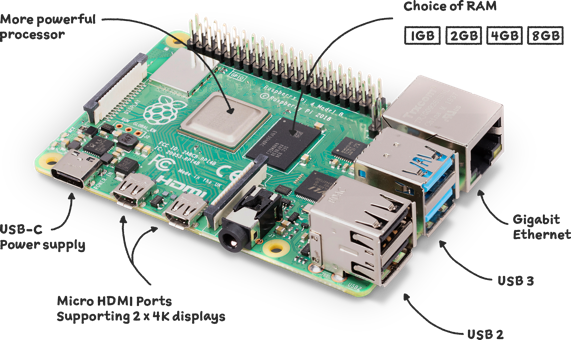
A Raspberry Pi is a small, low-cost, single-board computer — essentially an entire PC shrunk down to roughly the size of a credit card. It was created by the Raspberry Pi Foundation in the UK (first released in 2012) to make computing accessible for education, but it quickly became popular with hobbyists, tinkerers, and engineers.
A typical board run Linux and includes a CPU, RAM, USB ports, HDMI output, Wi-Fi/Bluetooth, and a set of GPIO (general-purpose input/output) pins that let it talk to external electronics.
What is it used for?
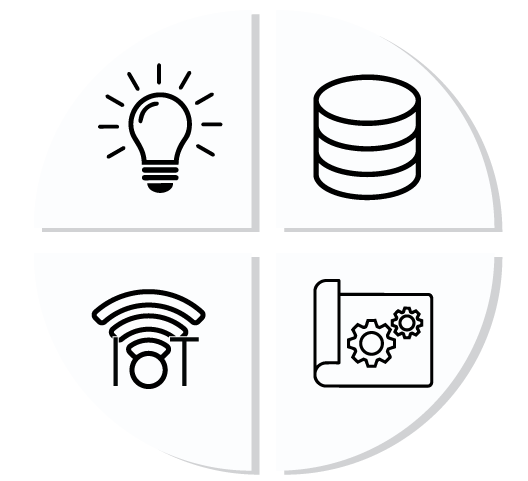
Learning to code and tinker — its original purpose; great for teaching Python, Linux, and electronics and how they interconnect
As a server — for database proof testing, for small web applications
Robotics and IoT projects — use it as: weather stations, web/visual data gatherer, and DIY gadget to drive motors and control hardware.
Industrial and commercial prototyping — using it as the brain of the product before moving to custom hardware.
And many more!
How can I get my hands on one?
All you have to do is approach the lab with your project idea and find out which components you want to pair the Raspberry Pi with.
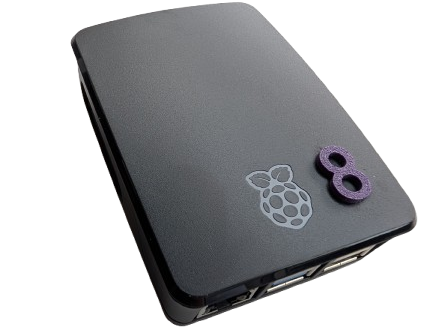
Currently the lab holds 8 x Raspberry Pi 5 equipped with: – 8GB RAM – Memory ranging from 64GB to 512GB – Broadcom BCM2712 quad-core Arm Cortex A76 processor @ 2.4GHz
We use cookies to ensure that we give you the best experience on our website. If you continue to use this site we will assume that you are happy with it.